Metal Casting Foundry Breakthroughs: How Modern Technology Is Revolutionizing Metal Casting
Innovations in casting foundries are radically reshaping the domain of metal casting. Modern technologies and automation boost productivity and precision, revolutionizing established processes. Automation through robotics refines workflows, while 3D printing opens novel design horizons. Furthermore, real-time data analytics optimize workflows, promoting sustainability. Yet, these developments also introduce complexities that demand thoughtful navigation. How do these advancements shape the trajectory of the industry and its long-term outlook?
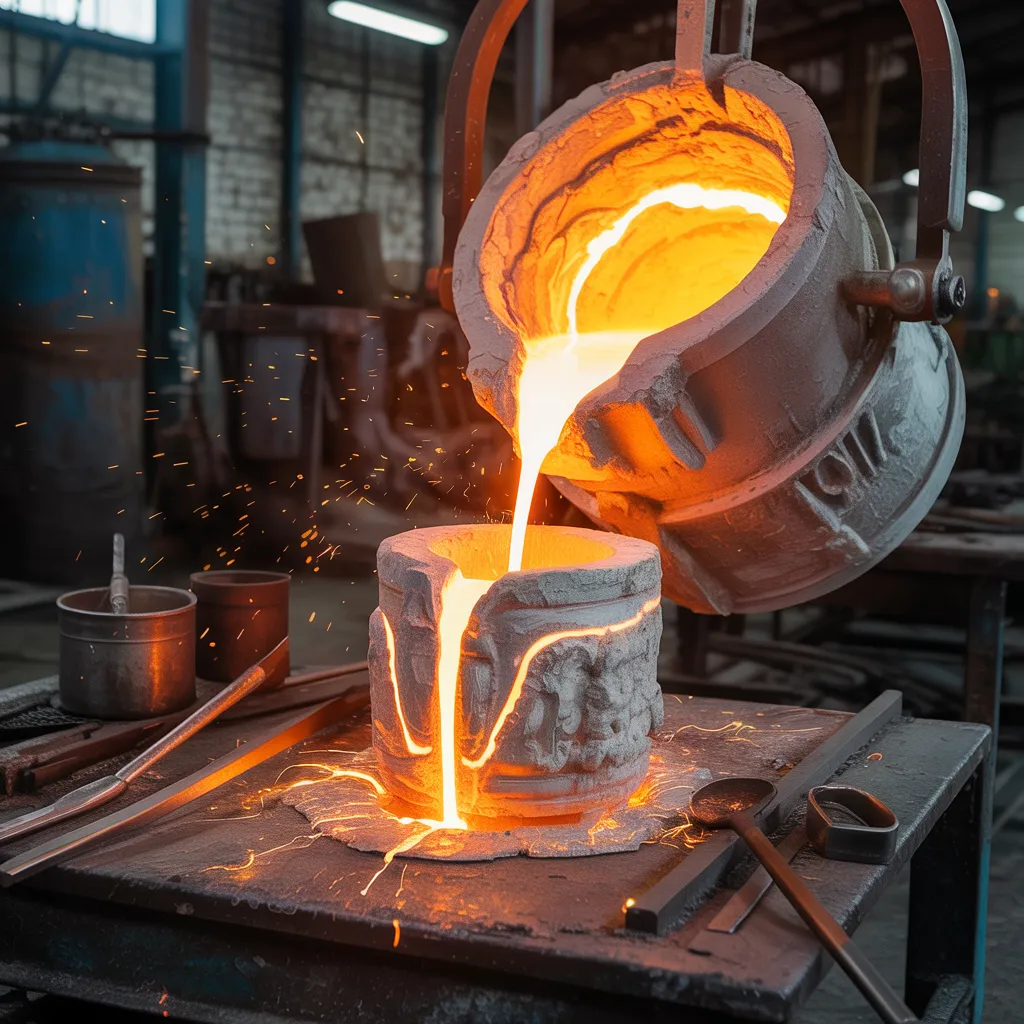
Survey of Advancements in Metal Casting
The metal casting industry has experienced remarkable changes, propelled by innovations in technology and materials. Traditional methods have been enhanced through the integration of automation, which optimizes manufacturing workflows and enhances accuracy. Innovations in computer-aided design (CAD) enable engineers to create intricate patterns and components, decreasing material waste and improving overall efficiency. Furthermore, the development of new alloys and composite materials has broadened the possibilities of metal casting, facilitating the creation of lightweight and robust components that satisfy a wide range of industry demands.
Additionally, developments in melting and pouring technologies have enhanced energy efficiency and decreased emissions, advancing ecological sustainability initiatives. Artificial intelligence and robotics are also gaining ground, facilitating live monitoring and quality assurance. Together, these advancements are transforming the field of metal casting, empowering manufacturers to deliver premium products while cutting costs and environmental effects.
The Emergence of 3D Printing: Revolutionizing Metal Casting
The incorporation of 3D printing into metal casting processes is transforming the industry by offering improved design versatility. This technology enables detailed geometries that were previously challenging to achieve. Additionally, it considerably reduces production time, streamlining the entire manufacturing process.
Advanced Design Adaptability
Innovative advancements in 3D printing technology have considerably expanded creative flexibility within the metal casting industry. This transformation enables professionals to craft sophisticated geometrical forms that were formerly impossible with standard techniques. With additive manufacturing, elaborate internal frameworks and lightweight designs can be realized without the boundaries presented by orthodox tooling approaches. Additionally, the ability to move through design iterations swiftly empowers design professionals to test various configurations and materials, fostering creativity and innovation. Consequently, fabricators can develop bespoke components tailored to individual project requirements, ultimately leading to superior operational performance and functionality. This progression toward increased design autonomy not only simplifies the design workflow but also promotes cooperative efforts among engineers and designers, paving the way for highly refined solutions in various industries.
Shortened Production Time
Embracing 3D printing technology has substantially reduced production time in the metal casting industry. Conventional approaches often involve time-consuming processes of pattern creation and find the information mold production, which can hinder project timelines. However, 3D printing facilitates rapid prototyping and the direct creation of complex geometries, simplifying the entire workflow. By eliminating several intermediate steps, manufacturers can produce parts more quickly and effectively. This technology also enables just-in-time production, minimizing the need for large inventories and limiting waste. As companies implement 3D printing, they realize significant time savings, allowing for faster response to market demands and a more agile manufacturing process. Overall, the adoption of 3D printing marks a groundbreaking shift toward improved efficiency in metal casting.
Smart Automation: Enhancing Efficiency in Foundry Operations
Utilizing intelligent automation revolutionizes foundry operations, driving significant improvements in efficiency and productivity. Sophisticated robotics and automated systems optimize various processes, covering everything from mold preparation to metal pouring, decreasing manual labor and limiting human error. These innovations support real-time monitoring and control, improving workflows and maximizing resource utilization.
Automated equipment are capable of running without interruption, allowing for increased manufacturing rates and reliable precision in casting production. Moreover, smart automation supports exact calibrations in response to shifting variables, enhancing production consistency.
Integration of automation systems further improves workplace safety by decreasing the reliance on staff in dangerous environments. This shift not only improves operational performance but also encourages a greener manufacturing approach, as energy consumption and material waste are reduced.
The Way Data Analytics Improves Decision-Making in Metal Casting
Data analytics redefines strategic decision-making in metal casting by delivering insights that fuel operational improvements and strategic planning. By utilizing data from diverse sources, foundries can monitor production processes in real-time, pinpointing inefficiencies and opportunities for improvement. Predictive analytics enables manufacturers to foresee equipment breakdowns and upkeep demands, decreasing downtime and enhancing overall productivity.
In addition, data analysis facilitates superior stock management, ensuring that materials are available when needed while reducing surplus stock. This functionality enables strategic determinations concerning distribution logistics and cost control. Improved data visualization platforms make complex data more accessible, allowing teams to arrive at swifter, fact-based resolutions.
Ultimately, the implementation of data analytics promotes a culture of constant progress in metal casting operations, driving higher quality products and increased competitiveness in the market. As the industry develops, leveraging data will be indispensable for foundries seeking to sustain their position and achieve success.
Eco-Friendly Approaches in Metal Casting: Minimizing Waste and Energy
The integration of data analytics in metal casting not only enhances decision-making but also paves the way for more sustainable practices. By leveraging real-time data, foundries are able to streamline production processes, thus reducing waste and energy consumption. Sophisticated monitoring systems detect inefficiencies in casting operations, enabling prompt adjustments that minimize material waste and energy usage.
Furthermore, the utilization of reclaimed materials has gained traction within the manufacturing landscape. Manufacturing facilities are continually using scrap metal, which not only minimizes material expenses but also lessens the ecological footprint associated with mining and processing unprocessed natural resources. Additionally, emerging technologies such as 3D printing facilitate the development of casting molds that consume less raw material while enhancing operational efficiency.
In combination, these sustainable practices signify a fundamental shift in the metal casting industry, highlighting the field's pledge to minimizing its environmental impact while maintaining efficiency and competitive edge.
Addressing Technology Adoption Challenges in Foundries
Managing the challenges of technological integration poses significant challenges for foundries, commonly obstructing their journey toward modernization. A major hurdle is the significant initial expenditure required for emerging technologies, which can strain budgets, particularly for smaller establishments. Moreover, the existing workforce may not possess the needed competencies to handle sophisticated equipment, requiring costly training initiatives. Opposition to new methods among employees can also obstruct the integration of new systems, as established methods are firmly rooted.
Furthermore, foundries need to address the adoption of new technological solutions into established systems, which can lead to technical conflicts. Supply network interruptions can also develop when obtaining specialized materials or parts, affecting manufacturing schedules. Finally, the swift progression of technological innovation creates obstacles for foundries striving to stay relevant, leading to the risk of outdating newly acquired assets. Managing these difficulties is imperative for foundries striving to optimize performance and industry positioning in a constantly shifting market.
Future Trends in Metal Casting Technologies
Steering through the complexities of technology adoption has highlighted the need for foundries to explore innovative solutions in metal casting. Industry forecasts point to a shift towards automation, with robotics improving precision and efficiency in production lines. AI-driven analytics and machine learning are expected to revolutionize decision-making processes, enabling predictive maintenance and real-time monitoring. Furthermore, the integration of additive manufacturing is expected to create new possibilities for lightweight designs and complex geometries, cutting down on material consumption. Sustainability will also serve a critical function, as foundries increasingly adopt eco-friendly materials and energy-efficient practices. Additionally, the rise of smart foundries, harnessing the Internet of Things (IoT), promises enhanced connectivity and streamlined operations. As these trends evolve, they will not only redefine production capabilities but also establish metal casting as a key contributor in the future of manufacturing.
Commonly Asked Questions
Which Materials Work Best for 3D Printing in Metal Casting?
Aluminium, stainless steel, and titanium rank among the best materials for 3D printing in metal casting. These materials provide outstanding strength, reduced weight, and resistance to corrosion, making them ideal for various industrial applications.
What Are the Environmental Impacts of Metal Casting?
Metal casting operations influences the environment by way of resource extraction, energy consumption, and emissions. Nonetheless, innovations in sustainable practices and recycling initiatives work to minimize waste and improve efficiency, helping to lessen negative ecological effects linked to traditional metal casting processes.
What Costs Come With Introducing New Technologies in Foundries?
Implementing modern innovations in casting facilities involves financial outlays associated with the purchase of machinery, workforce training, regular upkeep, and expected periods of inactivity during changes. Such costs can be considerable, but may eventually lead to enhanced productivity and decreased long-term costs.
What Skills Are Needed for Workers in Modern Metal Casting Facilities
Personnel in modern casting plants require proficiency in automation, computer-aided design, quality control, and metallurgy. Skill in operating state-of-the-art systems and grasping digital technologies is essential for efficient production and ensuring operational safety.
What Effect Do Innovations Have on Traditional Metal Casting Techniques?
Innovations enhance conventional metal casting techniques by enhancing precision, efficiency, and automation. Modern systems streamline workflows, reduce material waste, and support sophisticated designs, ultimately transforming the craftsmanship and productivity of metal foundries.