Aluminum Foundry Basics: Critical Details to Know
Understanding the fundamentals of aluminum foundry operations is essential for any individual engaged in manufacturing. This involves comprehending the nuances of the casting process, identifying the different mold types, and adhering to safety protocols. Each individual aspect plays a critical role in guaranteeing quality and efficiency. As industries progressively rely on aluminum castings, familiarizing oneself with these basics can lead to considerable advantages. What key elements make up the aluminum casting process?
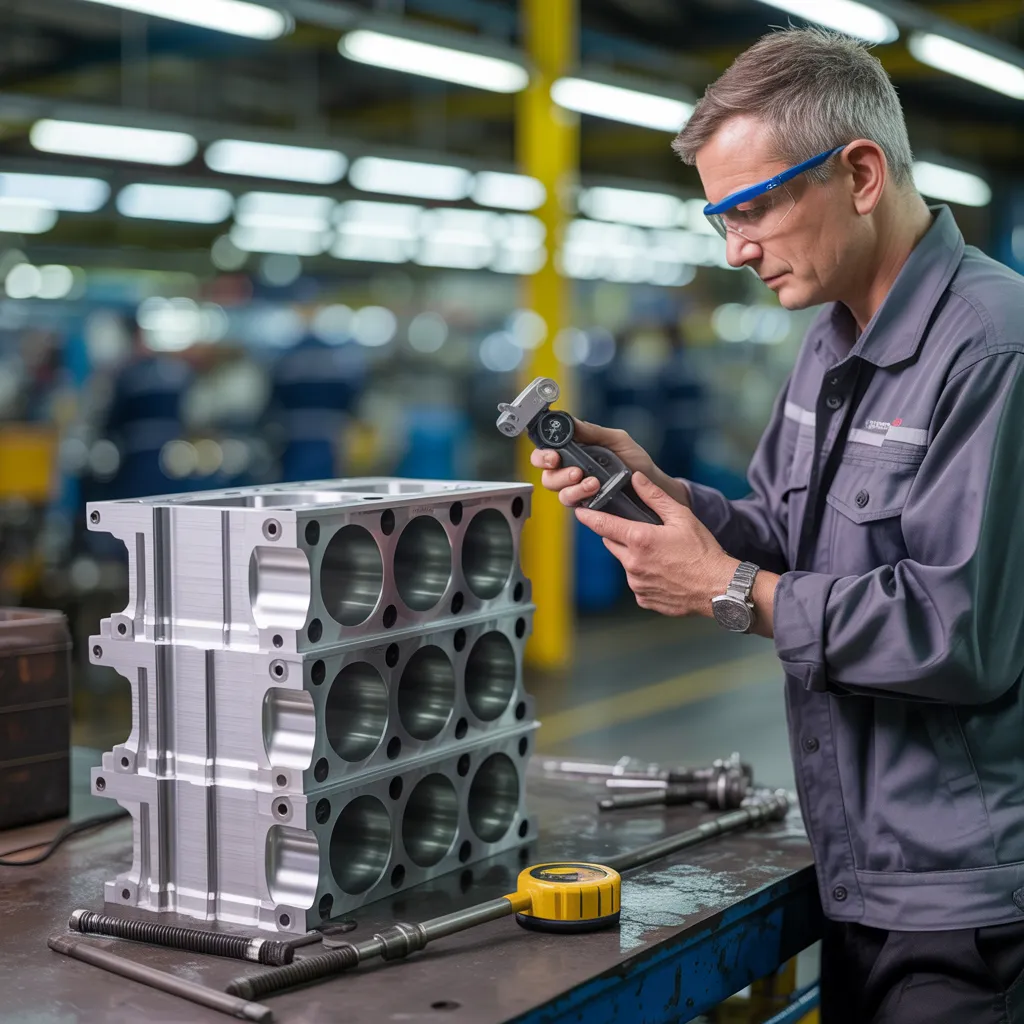
Aluminum Casting: A Step-by-Step Process
The process of aluminum casting typically encompasses multiple essential stages that transform raw aluminum into completed parts. To begin, the process requires melting the aluminum, which is generally performed in a furnace. The molten aluminum is then transferred into molds designed to shape the final product. These molds can be created from multiple materials, including sand or metal, depending on the production needs.
After the aluminum has reached a solid state and solidified within the mold, the following step is to remove the casting. This is frequently accomplished by breaking the mold or employing mechanical means. Upon removal, the casting goes through various finishing processes, which may involve trimming excess material, grinding, and polishing to obtain the required surface quality.
Finally, quality control evaluations are conducted to verify the components meet specified standards. This step is crucial in assuring that the final products are adequate for their intended applications in various industries.
Properties of Aluminum
Aluminum features a distinctive combination of properties that make it a much sought-after material in various industries. Its low weight characteristic, with a density roughly one-third that of steel, facilitates ease of handling and enhances fuel efficiency in transportation applications. In addition, aluminum shows exceptional corrosion resistance resulting from the formation of a protective oxide layer, extending its lifespan in multiple environments.
The substance is also renowned for its remarkable strength-to-weight ratio, allowing for the creation of strong yet lightweight structures. Furthermore, aluminum is very malleable and ductile, rendering it ideal for multiple manufacturing processes, including casting, extrusion, and machining.
Thermal and electrical conductivity represent other remarkable properties, encouraging its use in electrical parts and heat exchangers. Additionally, aluminum is entirely recyclable without losing quality, supporting sustainable practices and reducing environmental impact in industries utilizing it.
Categories of Molds in Aluminum Foundries
Aluminum foundries employ multiple mold types to achieve various casting techniques and product specifications. The most common mold types include sand molds, which allow for intricate designs and are often used for one-off or low-volume production. Permanent molds, usually constructed from metal, are utilized for mass production and offer enhanced dimensional accuracy and finish. Investment casting molds, produced through ceramic-coated wax patterns, are optimal for complicated geometries with precise details. Additionally, shell molds, which consist of a thin shell of sand and resin, offer excellent surface finish and are suitable for medium production runs. Every mold type provides particular benefits and is chosen based on aspects including production scale, part sophistication, and finish requirements. Knowledge of these mold alternatives is crucial for attaining superior results in aluminum casting procedures.
Vital Machinery for Aluminum Foundry Excellence
Productive aluminum foundries demand specific equipment to guarantee efficient operations. Key components include melting furnaces for material processing, molds and patterns for shaping, and essential safety gear to protect workers. Comprehending and investing in these essential items is crucial for achieving ideal results in aluminum casting.
Melting Furnace Essentials
When establishing a successful aluminum foundry, picking the right melting furnace is critical, as it directly influences the quality of the final product. Critical elements include furnace type, capacity, and energy efficiency. Standard types of melting furnaces include crucible, induction, and reverberatory, each delivering distinct advantages for different production scales. The furnace capacity must match the foundry's production specifications to provide timely processing. In addition, energy efficiency is critical for reducing operational costs. Appropriate temperature control is essential for reaching consistent melt quality and stopping contamination. Purchasing reliable refractory materials improves furnace durability and thermal efficiency. Finally, the right melting furnace brings significantly to the foundry's overall performance and product integrity.
Molds and Patterns
Molds and patterns serve as the foundation of aluminum foundry operations, directly affecting the exactness and quality of castings. These tools are vital for forming the desired shapes and dimensions of the final product. Patterns, typically made from wood, metal, or plastic, are used to create molds that contain the molten aluminum until it solidifies. The decision of material determines the mold's durability and heat resistance. Additionally, the design of molds must account for factors like shrinkage and ease of removal, guaranteeing high-quality outputs. Foundries often utilize various mold types, such as sand molds and permanent molds, depending on production demands. Understanding the nuances of molds and patterns is vital for achieving effective casting results in aluminum foundry operations.
Safety Equipment Requirements
In aluminum foundry facilities, safety gear requirements are of utmost importance to shield personnel from the potential hazards associated with molten metal and heavy machinery. Vital safety equipment includes high-temperature gloves to avoid burn injuries, safety goggles to guard eyes from flying debris, and face shields to guard against splashes of molten metal. Workers must also wear fire-resistant garments and steel-toed boots to guard against heavy objects and heat exposure. Furthermore, ear protection is vital due to the high decibel levels generated by machinery. Appropriate respiratory gear may be needed to avoid inhaling harmful fumes. Complying with these safety gear requirements not only guarantees worker safety but also contributes to a more efficient and productive foundry operation.
Safety Protocols in Aluminum Casting
In aluminum casting, safety practices are essential to protect workers from potential hazards. Critical elements encompass utilizing personal protective equipment, maintaining proper ventilation, and developing emergency response protocols. Such precautions combine to foster a safer operational setting in the foundry.
PPE - Personal Protective Equipment
An in-depth knowledge of personal protective equipment (PPE) is critical for ensuring safety in aluminum casting operations. Suitable PPE includes gloves resistant to heat, face shields, and safety goggles to defend against molten metal splashes and heat exposure. Workers should also wear flame-retardant clothing and steel-toed boots to decrease injury risks from heavy equipment and hot materials. Respirators may be needed to guard against harmful dust and fumes produced during the casting process. Additionally, hearing protection is advisable due to high noise levels in foundry environments. Routine inspection and maintenance of PPE are imperative to verify effectiveness. By complying with these safety practices, workers can substantially reduce the risk of accidents and injuries, promoting a safer workplace for all involved in aluminum casting.
Ventilation Specifications
Proper ventilation is a key component in maintaining safety within aluminum casting operations. Adequate airflow decreases the accumulation of hazardous fumes and dust created during the melting and pouring processes. It is vital to design ventilation systems that effectively exchange indoor air with fresh outdoor air, sustaining safe breathable conditions. Local exhaust ventilation systems should be positioned near sources of pollutants to capture them at the source. Moreover, air monitoring systems can help assess air quality, maintaining compliance with occupational health standards. Regular maintenance and inspection of ventilation equipment are critical to ensure optimal performance. By prioritizing adequate ventilation, foundries can substantially reduce the risks associated with air contaminants, creating a safer working environment for all employees involved in aluminum casting.
Urgent Response Procedures
Preparation is critical in aluminum casting operations, where the potential for accidents requires well-defined emergency response procedures. Establishing a clear plan is essential for protecting employees and minimizing damage. Key elements of these procedures include marking emergency exits, maintaining accessible first aid kits, and conducting regular safety drills. Employees must be trained to identify potential hazards, such as molten metal spills and equipment malfunctions, and know how to act appropriately. Communication protocols should be established, allowing for prompt reporting of incidents. Furthermore, designated personnel should be assigned to lead emergency responses, facilitating a coordinated effort. Regular reviews and updates of these procedures are essential to adapt to any changes in operations or equipment. Safety is the responsibility of all personnel in the foundry environment.
Leading Industries Working with Aluminum Castings
Aluminum castings play an essential role throughout numerous sectors, displaying their flexibility and robustness. The automotive industry is among the biggest users of aluminum castings, utilizing them for motor blocks, transmission housings, and wheels. Their lightweight properties leads to better fuel efficiency and performance. The aerospace industry also takes advantage of aluminum castings, where components are produced to withstand extreme conditions while limiting weight. Moreover, the electronics sector utilizes aluminum castings for enclosures and heat sinks, providing efficient thermal management in devices. In construction, aluminum castings are used in window frames, railings, and support structures, delivering longevity and resistance to corrosion. Furthermore, the consumer goods industry utilizes aluminum castings for numerous products, from cookware to furniture, showcasing their design qualities and functional characteristics. Overall, the adaptability of aluminum castings makes them crucial in numerous industries, improving product performance and longevity.
Most Asked Questions
What Environmental Impacts Result from Aluminum Foundries?
Aluminum foundries lead to environmental impacts through waste generation, energy consumption, and greenhouse gas emissions. Furthermore, they can discharge particulate matter and other pollutants, which may affect air quality and surrounding ecosystems if not appropriately regulated.
How Do I Begin My Own Aluminum Foundry Business?
To establish an aluminum foundry, one must carry out market research, material obtain financing, get necessary permits, select right machinery, and create a skilled workforce, securing compliance with environmental regulations and safety standards across the process.
What Common Defects Occur in Aluminum Castings?
Frequent defects in aluminum castings include porosity, contraction cavities, misruns, cold shuts, and surface flaws. Such issues frequently occur from improper melting temperatures, poor mold design, or inadequate metal flow, compromising the final product's quality and strength.
How Are Foundries Integrating Aluminum Recycling Operations?
Aluminum recycling is integrated into foundries through the collection and processing of scrap aluminum, which is melted and reused in production. This approach decreases material expenses, saves energy, and lessens environmental impact, advancing sustainability in manufacturing.
Which Certifications Are Required for Operators in Aluminum Foundries?
Aluminum foundry operators typically require certifications in metallurgical processes, safety standards, and equipment handling. Professional certifications, including those offered by the American Foundry Society, ensure alignment with standards and increase foundry safety and operational effectiveness.